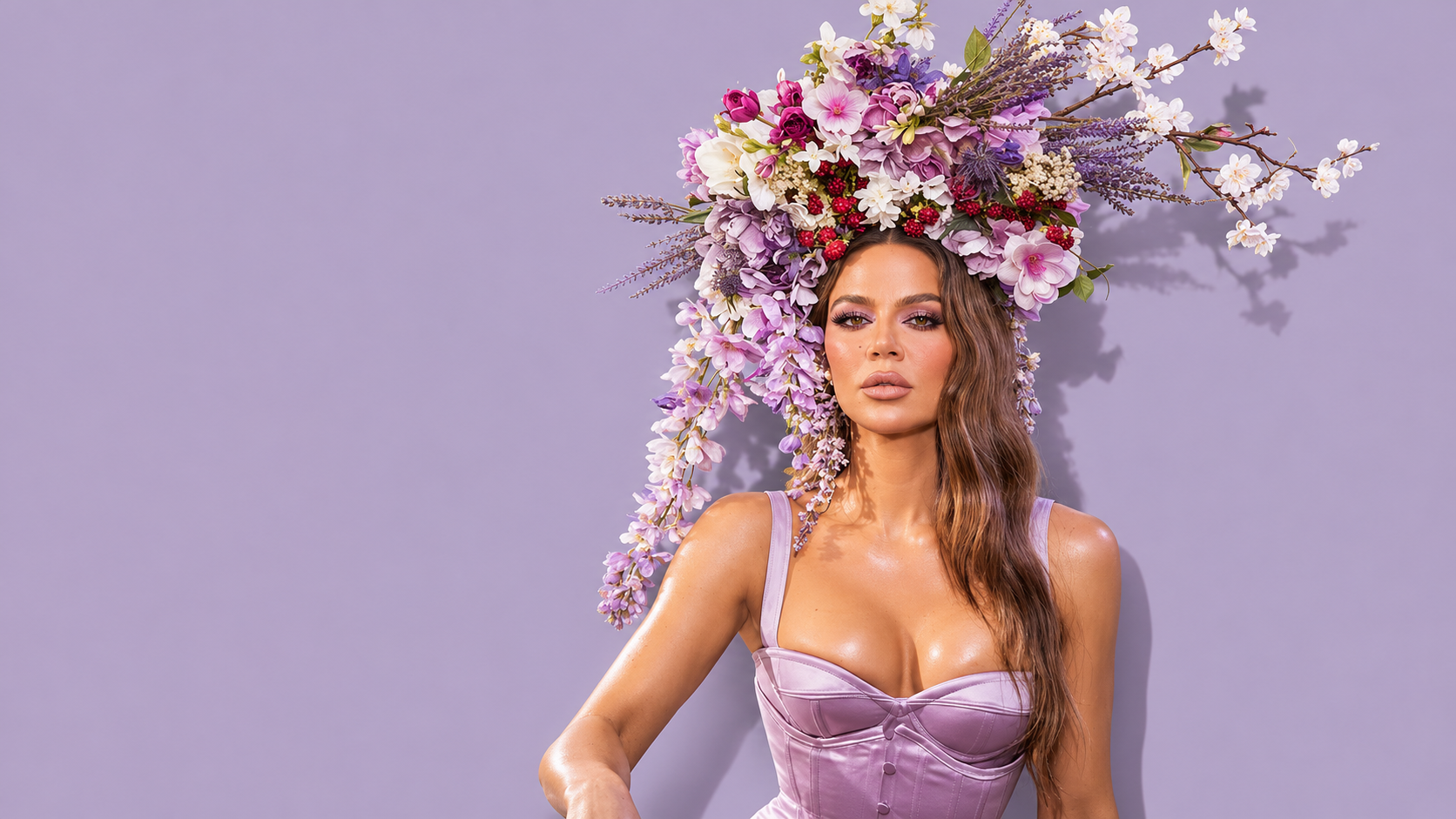
Khloé Kardashian says she’s open to a lavender marriage. If your first thought was a wedding with aggressively coordinated bridesmaid dresses, we should explain.
On the Nov. 26 episode of The Kardashians, influencer Colt Paulsen asked whether she would consider marrying a gay man. Her response: “I’m down.”
There were, however, conditions.
“Will you make me look pretty every day? Sold,” Kardashian said. “That's all it takes.”
Her comments were playful, but the term she’s discussing comes from a history of queer people navigating a world that often made being openly themselves dangerous.
What is a lavender marriage?
Historically, a lavender marriage is a marriage between a man and a woman intended to conceal the sexual orientation of one or both partners.
The arrangement allows a couple to appear heterosexual publicly while keeping part of their private lives out of view. Both spouses might be queer, or one might be straight. Companionship and affection can exist within the marriage, even when sexual attraction between the spouses does not.
The important distinction is the arrangement’s purpose. A bisexual person marrying someone of another gender does not automatically make theirs a lavender marriage. Someone’s spouse does not erase their sexuality, and a mixed-orientation relationship can be a romantic partnership.
Why did people enter them?
For many queer people, appearing to have a conventional heterosexual marriage offered protection from discrimination, social rejection and threats to their livelihoods.
The arrangements became particularly associated with Hollywood, where a star’s public image could determine whether they kept working. The Gottman Institute describes studios pairing gay and lesbian performers in marriages that protected their careers as morality clauses entered actors’ contracts in the 1920s.
A wedding could provide cover in an industry selling heterosexual romance while requiring some of its own stars to hide theirs.
That history gives the term more weight than “I’m tired of dating; let’s split the utilities.”
Why is the internet talking about them now?
More recently, people online have used “lavender marriage” more loosely to describe partnerships built around friendship, shared expenses and mutual support, with romance or sex taking a less central role.
As Cosmopolitan reported in its explainer, some TikTok users invoke the term while imagining a stable life with a friend rather than waiting for a romantic partner. Others discuss it in connection with fears about LGBTQ+ rights and safety. Those motivations can overlap, but an openly platonic partnership differs from a marriage intended to conceal someone’s sexuality.
The modern conversation raises an understandable question: Could the person you trust to build a life with be someone you don’t want to sleep with?
It also stretches a term rooted in queer survival to cover arrangements that might be more accurately described as platonic marriages or marriages of convenience.
Where does Khloé’s version fit?
Kardashian was entertaining the idea of a platonic partnership, with some hesitation about acquiring another person to look after. She was discussing a hypothetical, rather than announcing an engagement.
Her version sounds closer to the internet’s contemporary use: companionship, practical benefits and clearly negotiated expectations.
In her case, apparently, those negotiations begin with hair and makeup.