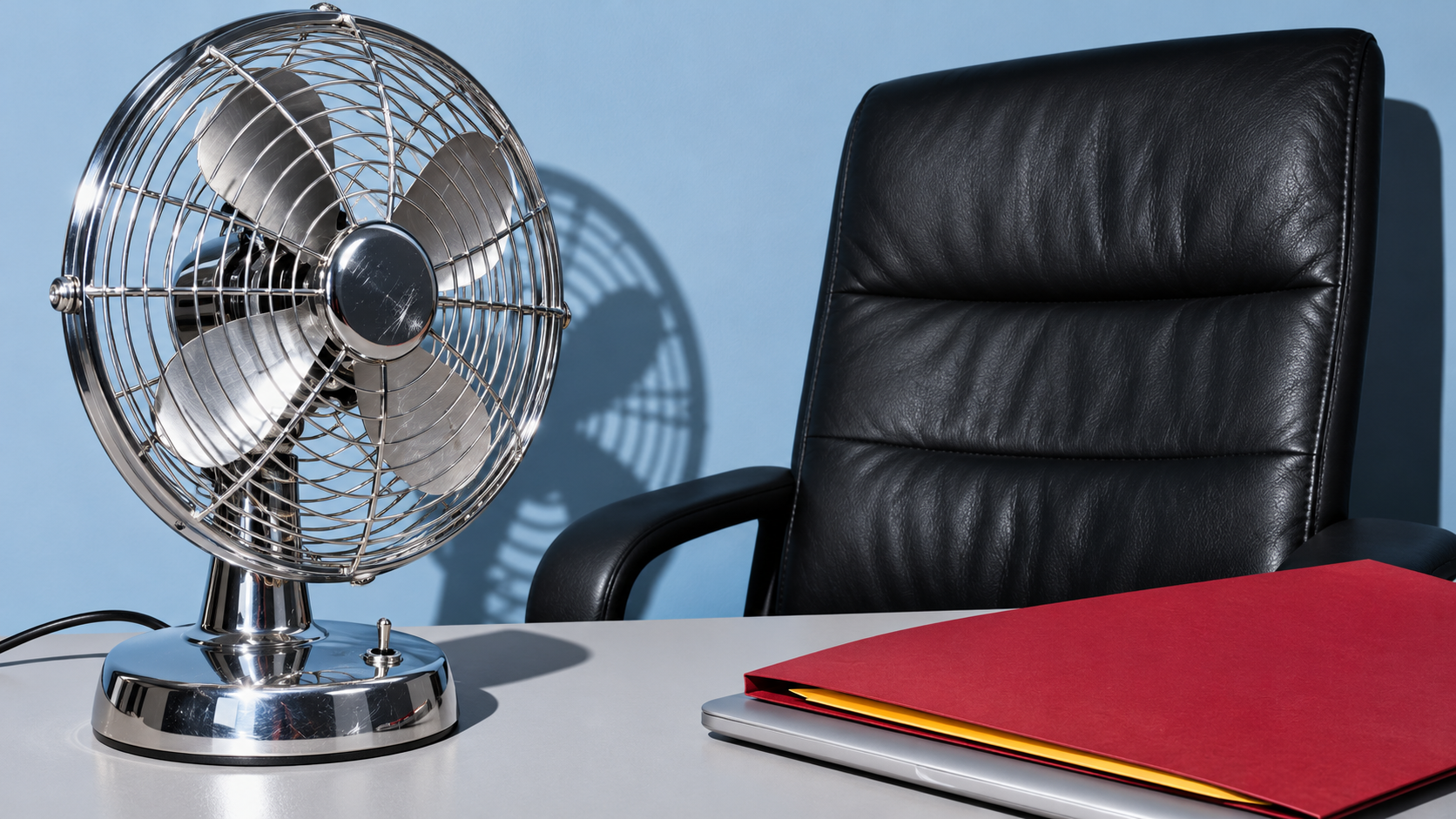
A desk fan is useful. It is also a small appliance, which makes it a fairly limited response to a health condition that leaves someone unable to work.
Spain is taking a more substantial approach. Starting Dec. 1, workers with qualifying, incapacitating conditions linked to menopause can access a dedicated form of paid medical leave, with Social Security benefits beginning on the second day. The reform also removes the minimum contribution period normally required for ordinary illness-related sick leave.
The government approved the measure Oct. 20 as part of a broader expansion of social protections. Its premise is straightforward: Menopause-related health problems can affect someone’s ability to work, and the benefits system should account for that.
Who qualifies?
Menopause itself does not automatically qualify someone for leave. A doctor must diagnose a qualifying condition associated with a secondary menopausal disorder that temporarily prevents the worker from doing her job.
Severe hot flashes, disrupted sleep, fatigue or difficulty concentrating can interfere with work, but experiencing a symptom does not automatically establish eligibility. The medical assessment determines whether the condition meets the requirements.
This is medical leave for an incapacitating condition. The office thermostat is not the eligibility test.
What does “paid” mean?
The employer covers the worker’s salary on the first day of leave. Social Security takes over from the second day, paying 60% of the regulatory base through day 20 and 75% from day 21. The regulatory base is the figure used to calculate the benefit; it should not be confused with a promise of full take-home pay.
For ordinary illness-related sick leave, benefits generally begin on day four. The new category starts that support earlier and waives the usual requirement of 180 days of Social Security contributions during the previous five years.
The paperwork also follows Spain’s existing electronic system: Workers do not have to deliver a paper sick note to their employer. The information is transmitted through Social Security.
Recognition with money attached
Announcing the reform, Inclusion, Social Security and Migration Minister Elma Saiz described it as addressing health situations that had been overlooked and gaps in women’s protection.
There are limits: Eligibility requires a medical assessment, and the benefit replaces only part of the regulatory base after the first day. But the change gives qualifying workers something more concrete than encouragement to practice self-care between meetings.
Keep the desk fan. Add the benefits.