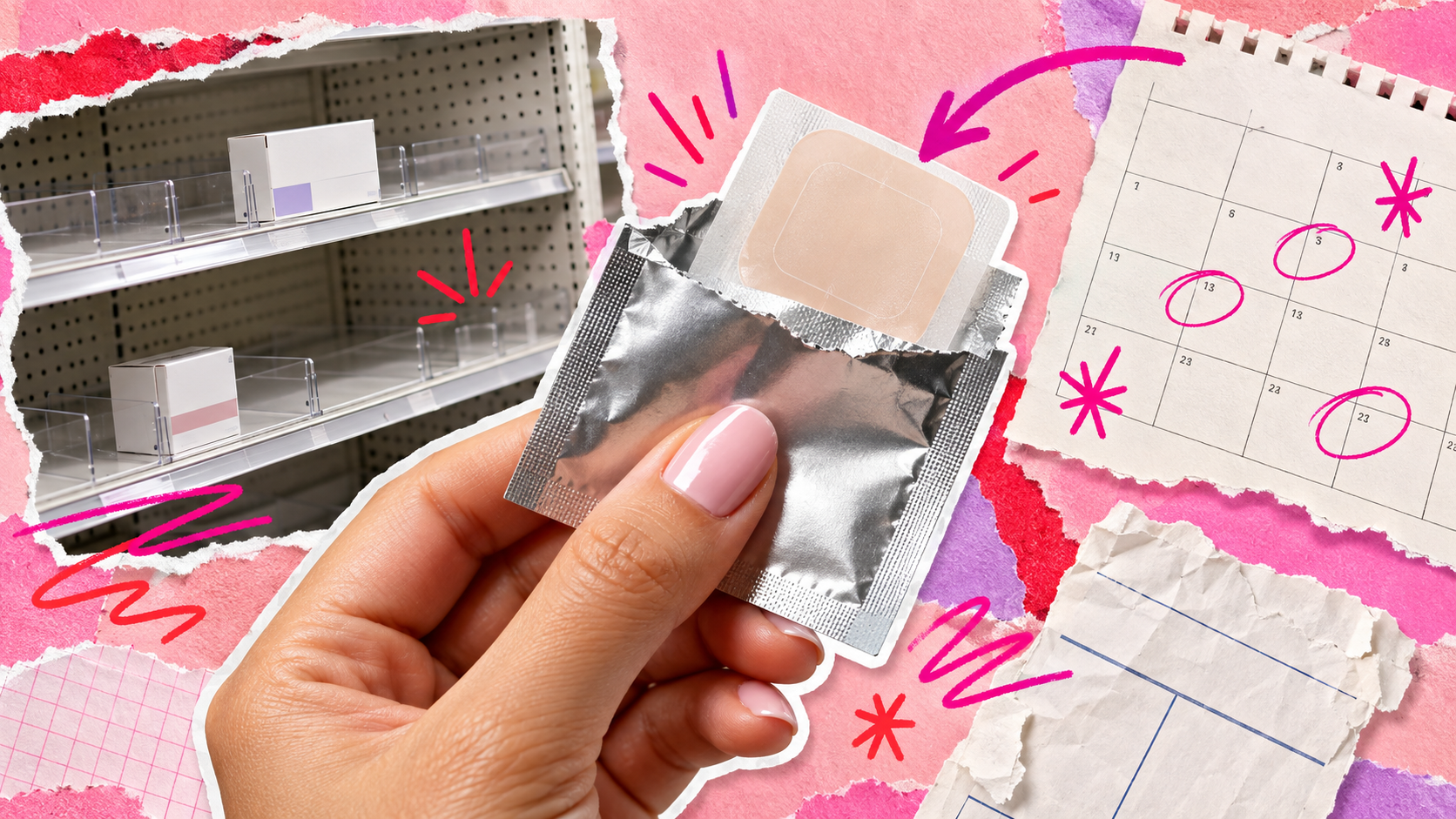
Andrea Weiss's pharmacy used to hand her a three-month supply of estrogen patches. Then it cut her down to one month. By April, she says, it told her it had none and wasn't sure when more would arrive.
Weiss is one of a growing number of patients telling CBS New York they're struggling to fill estrogen patch prescriptions. Given her medical conditions, she says the patch is her best option. "The idea of not having it is kinda stressful," she told the station.
At New London Pharmacy in Chelsea, owner Abby Fazio said the shop had enough stock for "maybe six" patients, depending on how many patches they were getting.
The patch matters because of how it works. "The medication goes directly through the skin," said Dr. Sarah Berg, an OB-GYN and menopause-certified practitioner. "It's bypassing the liver, so your body is processing it more easily, and for many women, this is the most effective way for them to get treatment for their hot flashes, night sweats, mood changes and many other issues, and we know that it protects their bones."
Demand has surged. The Democratic Women's Caucus says prescriptions for estrogen patches rose 162% over the past two years, partly because of the removal of the black box warning from menopausal hormone therapy labels. CBS New York puts the numbers at nearly 600,000 prescriptions in 2024 and 1.6 million by May 2026.
The FDA says demand rose after its November 2025 action asking manufacturers to remove boxed warnings about a probable risk of breast cancer, cardiovascular disease and probable dementia from menopausal hormone therapy products.
The FDA's position is that patches are still available. In an update dated Sept. 3, it said it is working with all six manufacturers to increase supply, which it says has nearly doubled over the past year. Availability, it adds, may vary by pharmacy or location. In a statement to CBS New York, the agency was blunter: "Patches are not in shortage."
Congress sees it differently. On Sept. 29, the Democratic Women's Caucus sent a letter to the FDA's acting commissioner and the health secretary calling the situation an ongoing shortage. The letter was led by Reps. Debbie Dingell, Val Hoyle, Ayanna Pressley and Yvette D. Clarke, and signed by 44 caucus members. The lawmakers say they first flagged the problem in July and have seen no significant help for manufacturers since. They want a timeline for when supply will stabilize, data on which brands and doses are most affected, and an answer on whether the FDA will add the patches to its Drug Shortage Database.
An FDA spokesperson told Reuters the same thing: if the product falls into shortage nationally, the agency will post that on its website, according to Reuters.
Manufacturers say they're responding. Viatris, which makes the patches, told CBS New York it has added a shift at its Vermont facility for around-the-clock production. Bayer, which makes the patch sold as Climara, expects periodic supply shortages of that product until at least early 2027. The FDA notes that larger manufacturing expansions may take longer because patches require specialized equipment and processes.
For patients stuck in the gap, the FDA's advice is practical: ask your pharmacist to check availability or find another FDA-approved estradiol patch that can be substituted, check back with your pharmacy as supply changes, and talk with your health care provider before stopping or changing your medication. Berg told CBS New York there are safe alternatives, including gels, creams and an oral pill, though some women could take months to adjust to a switch.
Hoyle told Reuters she wants answers from health officials before Congress returns to session on Nov. 9. "If we don't have an answer, we will make a plan to make sure that we highlight this problem in whatever way we need to in order to be able to get a response," she said.