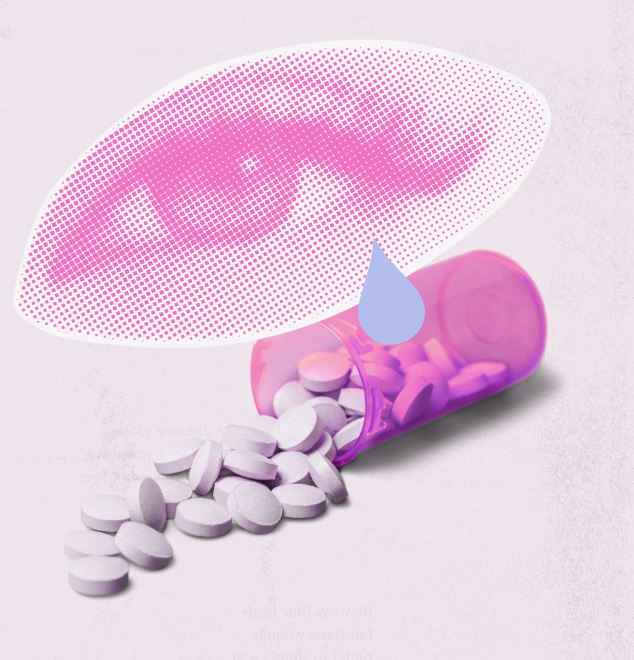
Approximately 11.4% of adults ages 18 and older take prescription medication for depression, with women more than twice as likely to take medication for depression as men, according to the CDC. While these meds help steady moods, restore balance, and make it possible to function again, many also quiet something else: sexual desire.
That’s because SSRIs raise serotonin — which we want — but in doing so, they lower dopamine and norepinephrine, two neurotransmitters that fuel desire and orgasm.
“This shift raises the threshold for what level of stimulation the body needs to feel aroused or reach climax,” explains licensed psychotherapist and sex educator Rachel Wright, MA, LMFT.
Between 50% and 70% of people on SSRIs report some level of sexual dysfunction, including lower libido, delayed orgasm, or muted physical response. For vulva-owners, that often looks like less lubrication and dulled clitoral sensitivity; for penis-owners, delayed ejaculation or erectile changes.
“Essentially, the nervous system is less responsive,” says Wright. “What once felt "enough" may no longer cross the body's activation threshold. This is a neurophysiological side effect, not a loss of desire or attraction.”
That can leave people feeling disconnected from their bodies, self-critical, or frustrated in relationships. But the good news? There are ways to adapt.
The goal isn’t to “fix” yourself — it’s to work with your body as it adjusts. Pleasure is still there; it just needs different conditions to access it.
That might look like:
- Longer foreplay to help the body fully respond.
- Intentional solo play, which lets you experiment without pressure.
- Incorporating sex toys, which can bridge the gap between what your nervous system used to register and what it can now.
A 2024 study found that incorporating sex toys into partnered sex improved arousal, orgasmic intensity, and satisfaction, even among those experiencing SSRI-related side effects.
Wright, the official sex educator for Zumio, says strong, consistent stimulation can help re-train sensitivity.
“Sex toys help bridge the gap between what the nervous system can currently register and what it used to register,” Wright said. “Since they provide stronger, steadier, and more precise stimulation, they can help compensate for the muted sensitivity that some antidepressants can create.”
She says for those with dulled sensitivity, pinpoint stimulation — rather than diffuse vibration — tends to be most effective. For example, the Zumio, a small device that rotates instead of vibrates, focuses sensation directly on nerve-dense areas. She says the design helps users bypass numbness without overstimulating surrounding tissue.
“Pinpoint stimulation is especially useful because it targets the areas most likely to still respond to sensation,” Wright said.
The specific brand or toy matters less than finding one that offers adjustable intensity and steady, reliable stimulation.
“Release any old stories you have in your head about what using a sex toy means,” instructs Wright. “They're amazing, incredible tools, whether you're on SSRIs or not. My advice would be to start small and with curiosity. Think about what sensations you generally like and find a toy that can mimic that, but with more consistency and power. Start with low settings, use lots of lubrication, and (as always) focus on sensation rather than performance.”
If you’re asking yourself why you should care about your decreased sexual desire in the land of stimulants, research shows that positive sexual experiences, even solo ones, are correlated with higher self-esteem and lower depressive symptoms.
“Pleasure supports emotional health by reducing shame and restoring a sense of agency in your own pleasure,” Wright said. “Losing any bit of sexual function for any reason can feel like losing part of yourself.” But rediscovering it — through touch, toys, therapy, or honest conversations — can “rebuild confidence and connection.”
If you’re struggling, Wright suggests talking to your prescriber openly.
“Unfortunately, research consistently shows that many prescribers fail to ask about sexual side effects unless patients bring them up,” Wright said. “You can ask about dosage adjustments, switching to or adding medications like bupropion, which has a lower risk of sexual dysfunction. If your provider dismisses your concerns, seek a second opinion or a referral to a sex-positive clinician.”
Bottom line? When it comes to a muted libido, you must remember: You are not broken. Your pleasure isn’t gone, it’s just speaking a new language. With patience, exploration, and the right tools, you can absolutely learn to translate it again.